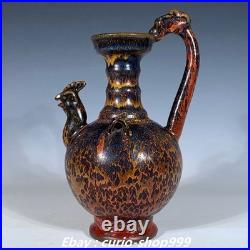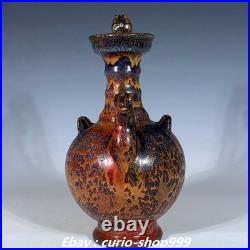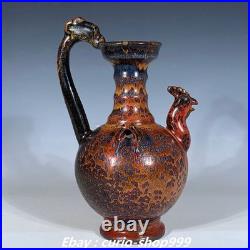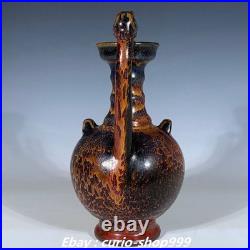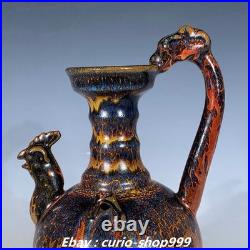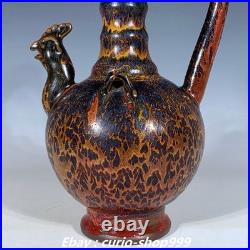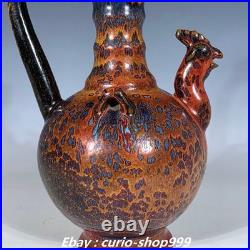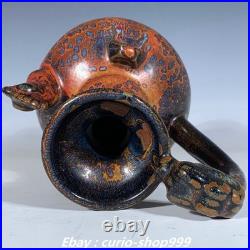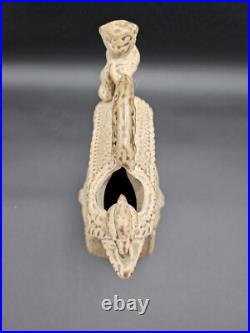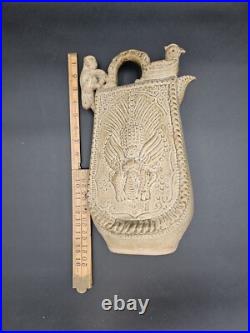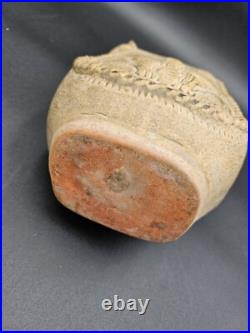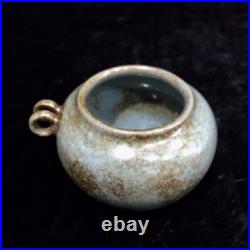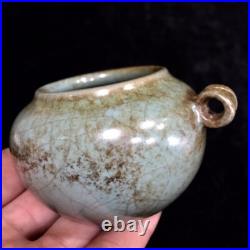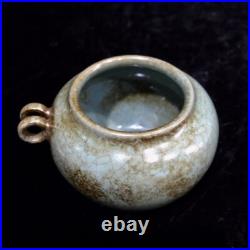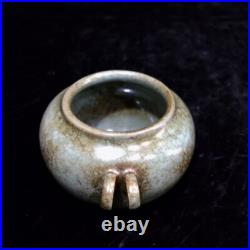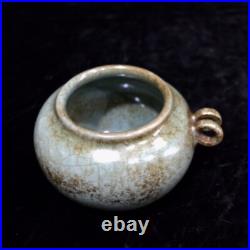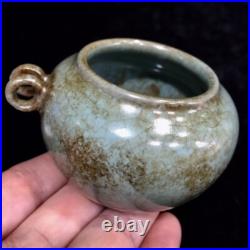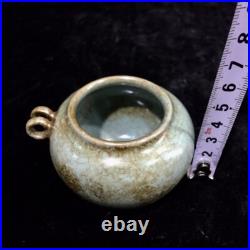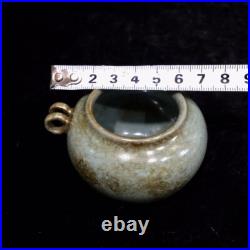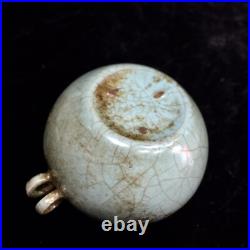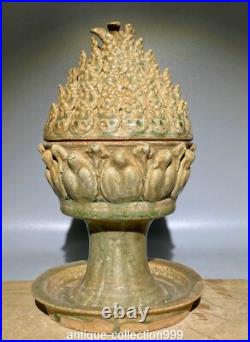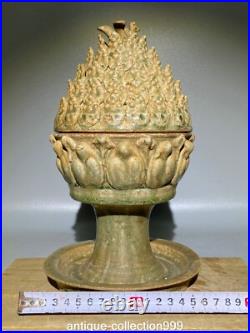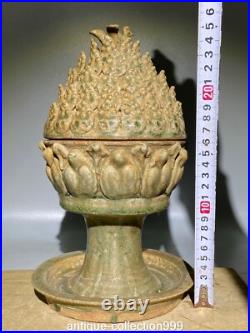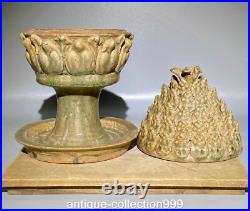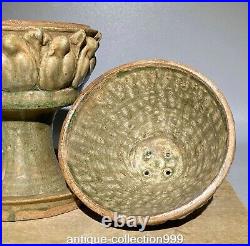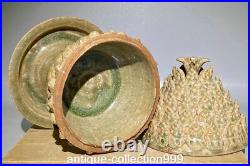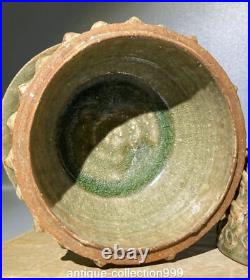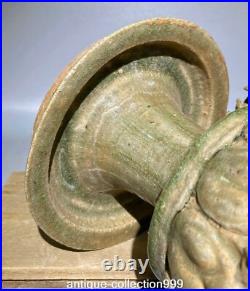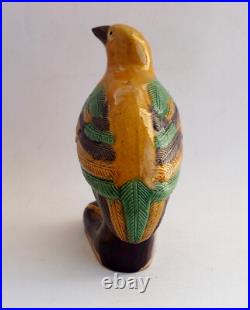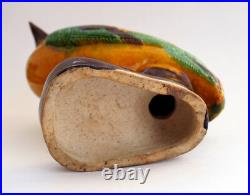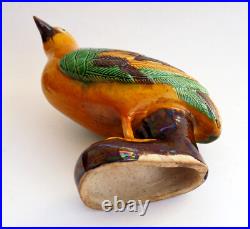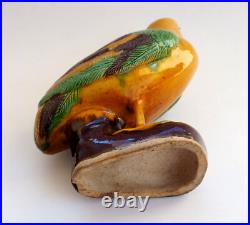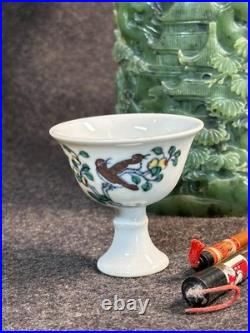
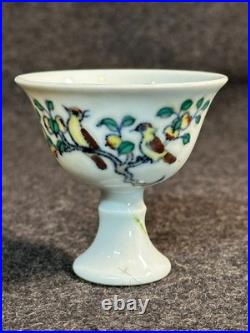
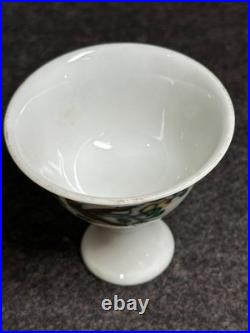
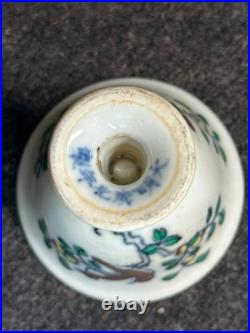
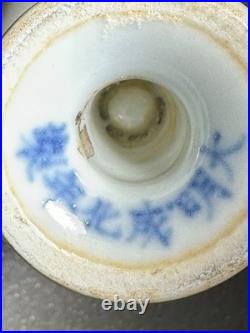
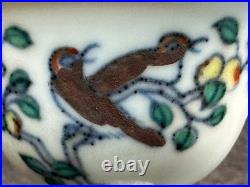
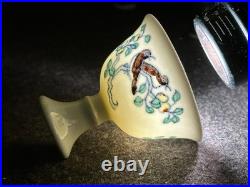
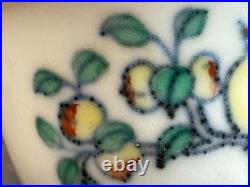
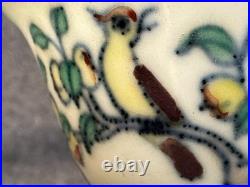
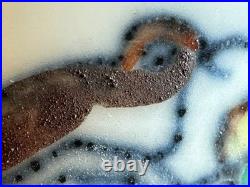
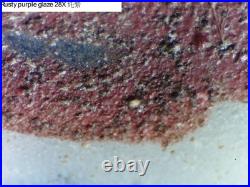
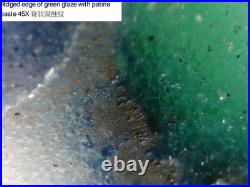
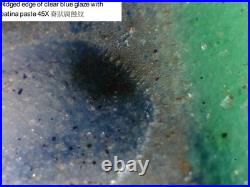
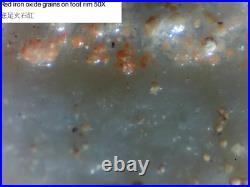
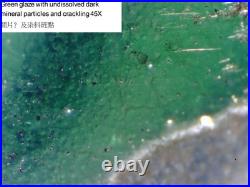
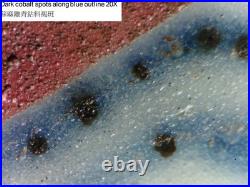
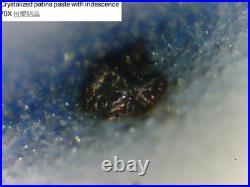
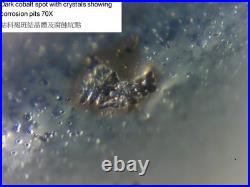
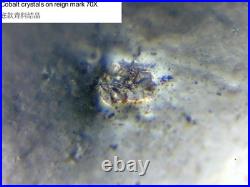
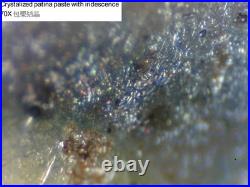
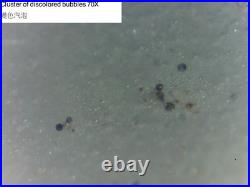

Ming Chenghua Doucai Birds and Flowers Stem Cup with Rusty Purple Glaze. This is a very rare doucai stem cup. We have acquired a few of these and offer at a very reasonable price. It is decorated with birds and flowers. The brilliance of the reds and yellows do not deteriorate with age since mineral dyes were used. They are unique to Chenghua glazes. The body is semi-translucent and shows a warm yellow hue with transmitted light. The bottom of the cup bears the standard six-character Chenghua mark, written in Persian cobalt and consistent with the calligraphy style of the Chenghua imperial kiln. Chenghua doucai porcelains are extremely rare. The National Palace Museum in Taipei has the largest collection with over 100 pieces. The Palace Museum at Peking and The British Museum each has a dozen or so pieces. The use of rusty purple color glaze, which is unique to Chenghua porcelains, makes this cup even more precious. To our knowledge, this particular style of Chenghua doucai cup is unique to our collection. No other museum examples exist. Microscopic Identification and Age Signs. We at Liwen Gallery use microscope examination of porcelain age signs to authenticate our collections. Microscopic examination is used to positively identify the period and age of this Chenghua doucai cup. The following microscopic features evidence the ancient nature of this porcelain vessel. The underglaze blue pigments are formulated with Persian cobalt. It is identified by color diffusion, deposits of impurities, and most importantly, formation of crystals from within the glaze. The attached microscope pictures show distinct crystals that require several hundred years to form, attesting to the age of this doucai cup. This type of cobalt came from the middle east and was available only during the Yuan dynasty and early part of Ming dynasty, up to the middle of the Chenghua era. The presence of Persian cobalt provides evidence that this cup is from the Ming dynasty since it has never been successfully duplicated with modern technology. , a unique non-reflective glaze is used for a few small spots. This type of glaze is unique to Chenghua doucai wares. It has a brownish purple appearance with a very rough texture, making it non-reflective. Attempts to duplicate this color glaze were made during the Qing dynasty and by contemporary forgers but were never successful. The presence of rust purple on this cup, as shown in the provided pictures, uniquely identify the piece being from the Chenghua imperial kiln. Age related deterioration of color glazes, which includes crackling and pitting. A few discolored bubbles exist. The cup is covered with a thick layer of patina paste. It has become crystalized. This is typical of Ming doucai porcelains. Corrosion pits cover the surface of the glaze. These pits only appear on porcelains several hundred years old. Red iron oxide grains are found on the foot rim. These are formed as a result of seepage of iron oxide molecules that coagulate on unglazed surfaces. These can be found on ancient porcelains from the middle of the Qing dynasty and older. All of the above old age signs are evident on the attached microscope pictures. For further discussion of antiques authentication, please refer to our front page of Liwen Gallery online museum. A Word about Fakes. A simple search would yield a number of porcelain vessels that appear similar to what we offer here. A closer look, however, would show the difference between the production of a four year art student vs artisans who dedicated their entire life creating object d’art for their emperors. Most of them look very old after the artificial aging process. Centuries old porcelains from imperial kilns keep their new look partly due to the high quality of material used, and partly because imperial porcelains are more likely displayed than actually used. Some high quality reproductions can have certain age signs with artificial glaze crackling, discolored bubbles and even cobalt rust spots, but they would appear very different than what we show here with the microscope pictures. Height 6 cm 2.5 inches. Diameter 6.5 cm 2.6 inches. The cup is in very good condition with no signs of break age or cracks. Fine scratches are found throughout the cup, especially on the color glazes. This style Chenghua doucai cup is extremely rare. The British museum also has a Chenghua birds stem cup with rusty purple glaze. Most of our collections came from Europe, and all items in our collection are authenticated by microscopic examination of age signs as well as visual evaluation of material and style consistent with the era. This approach allows us to positively identify period porcelains that cannot be accomplished via traditional visual inspection. Duplicates and other items not needed for our museum display or research are offered for sale at very low prices in line with our mission of promoting and sharing ancient Chinese culture.